Digital marketing strategy is a planned effort aimed at promoting the business on the Internet using SEO, social media, paid ads, content, and email marketing. With a marketing strategy, every action taken in the promotion process becomes structured and not random. A marketing strategy outlines the goals, target audience, budget, and channels that will ensure tangible success. Companies having a digital marketing strategy are growing faster and investing their marketing budget more rationally than those which lack it.
Operating a business without an online presence nowadays would be like opening a business without installing a signboard in front of it. Nowadays people are looking and comparing online everything that they purchase offline, and if your business lacks visibility online then someone else is getting that client. Digital marketing strategy converts scattered activities online into a consistent process ensuring lead generation, sales, and client retention. Here I will discuss what a digital marketing strategy is, how to build it, which channels are worth investing in, and common mistakes that ruin your budget.
What Is a Digital Marketing Strategy?
A digital marketing strategy can be described as a document that describes ways to communicate with the customers, advertise, and achieve certain objectives through online marketing activities. This strategy is much broader than simply launching advertisements or posts on Instagram. This is about linking your business strategy and goals to particular activities across various digital channels.
It works as a roadmap. Without a digital marketing strategy, your business spends lots of resources trying to succeed in various online campaigns by mere luck. With the strategy, every activity, be it a post or an advertisement, serves a particular purpose aimed at achieving certain results – such as increasing the number of website visitors, leads, or sales.
Why Every Business Needs a Digital Marketing Strategy
In our times, people usually conduct research and compare prices on the Internet even before making any purchasing decision. Therefore, if your business does not show up while a potential customer is conducting research, it means that this customer will buy from some other competitor.
A marketing strategy can help in consistency. Marketing without a plan is likely to be inconsistent and result in a waste of ad budgets and ineffective campaigns that are not coherent. It integrates all efforts and enables consistency in terms of communication of the brand. If you want this job done by someone else, digital marketing services develop this kind of strategy based on your objectives and budget, not based on a template.
Key Benefits of a Well-Planned Marketing Strategy
Here are some of the benefits you are likely to get from a good marketing strategy:
- Better allocation of the budget to the channels that generate conversions
- Brand visibility in search engines and social media
- Better quality leads as the target group is determined based on real data
- Customer retention due to relevant communication with the clients
- Metrics to measure performance
Core Components of a Digital Marketing Strategy
Without defining these components, you will be unable to develop a good SEO or social media marketing campaign. Not taking care of them is probably one of the worst mistakes in terms of digital marketing, which could make your campaigns a failure even with an impressive budget.
Define Your Business Goals
In any case, every digital marketing strategy needs to be set up to achieve specific goals. Will you build brand awareness, create new leads, increase online sales, or increase app downloads? Depending on your goal, your digital marketing strategy will be different. For example, a company that wants to build brand awareness will focus more on content marketing and social media marketing, whereas a company that wants to sell more products will focus on PPC and quality landing pages.
Identify Your Target Audience
It is impossible to reach everyone with marketing efforts. Instead, by trying to do so, you will reach nobody. You need to know who your potential customers are, what age they belong to, where they live, what they are interested in, and how their online behavior looks like.
Analyze Your Competitors
Competitive analysis gives an idea of what works well in your niche and what should be done differently. You can study the channels of presence of your competitors, their content, prices, and customer reactions to them. This analysis doesn’t mean that you have to follow other businesses but allows you to learn from their successes and failures not to make the same mistakes.
Choose the Right Digital Marketing Channels
There is no need to present your brand on all social media channels. For example, a B2B software provider will benefit much more from LinkedIn and email marketing than Instagram reels. Meanwhile, Instagram and Google My Business would work better for a local restaurant. Selecting channels depending on the audience behavior helps you save resources.
How to Build a Successful Digital Marketing Strategy
Once the groundwork is laid, it's time to build the actual plan. This is where research, content, SEO, ads, and email marketing come together into a working system. For a more detailed breakdown of this process, our guide on how to write a winning digital marketing strategy for your brand walks through each stage step by step.
Conduct Market and Keyword Research
Effective research is supposed to form the basis of any strategy. The purpose of market research is to gather information about the trends in the market, customers' needs and possible niches which could be filled in by you. Keyword research allows to understand how people look for information regarding your product in Google. There are several ways to find relevant keywords using Google Keyword Planner, Ahrefs, SEMrush and other similar services.
Create a Content Marketing Plan
Content can be found everywhere – whether it is a blog, a post, an email or an advertisement. Content marketing strategy defines the topics that will be discussed, frequency of posting, and what formats should be used – blog posts, videos, infographics, podcasts etc. It is better to post consistently rather than sporadically when creating a content marketing strategy.
Optimize Your Website for SEO
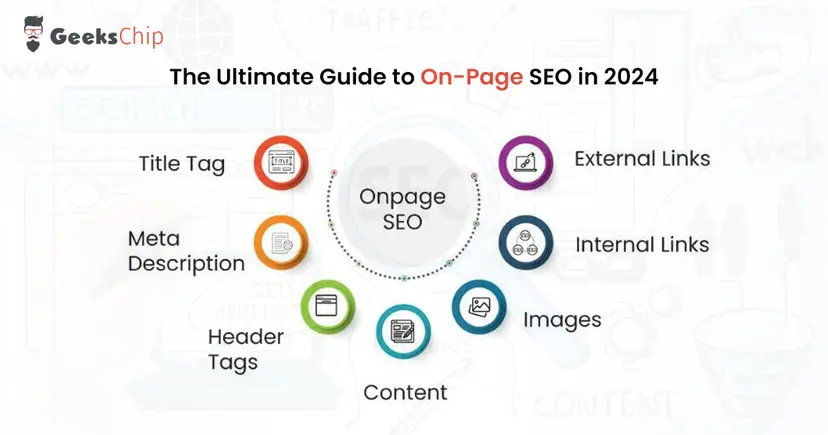
Website is going to become the first point of physical contact between the customer and the business. Using SEO guarantees that this contact would happen in the first place. The optimization consists of such things as title tags and headers, technical issues such as website speed and mobile friendlyness, and off-page activities like backlinking. Bad website performance could undermine the efforts in terms of content creation and advertisement.
Use Social Media to Increase Brand Visibility
These websites became one of the main ways of getting acquainted with the brands through the Internet. Updating the page, commenting and organizing contests will help you to build your brand community. Each social media website works in its own way, which means that the content made for LinkedIn wouldn't work for Instagram.
Launch Paid Advertising Campaigns
Paid advertisements present a faster means of getting into the right target market in contrast to waiting for months to get organic traffic. The major paid advertising platforms, which include Google Ads, Meta Ads, and LinkedIn Ads, allow users to narrow down targeting according to location, interests, behaviors, and demographics. Testing and optimizing various types of advertisements and target audiences will help identify the most effective ones.
Implement Email Marketing Campaigns
As a marketing tool, email boasts of a great ROI in comparison with other marketing channels due to its ability to reach people who have expressed interest in your brand before. You can send out welcome emails, newsletters, abandoned cart recovery emails, and even personalize offers based on the behavior of your audience members.
Essential Digital Marketing Channels for Business Growth
Various channels have various purposes, and in most cases, marketing strategies involve the use of several different channels.
Search Engine Optimization (SEO)
As opposed to PPC advertisements, SEO works towards attaining natural search engine listing without necessarily paying for ad placement within the search engines. Although the process takes time before results are seen, it is much more sustainable. Compound returns from SEO can be achieved by the business as long as the company continues to accumulate its content repository and gain domain authority.
Pay-Per-Click (PPC) Advertising
With the use of PPC, one gets to display his/her product to customers who need it.This type of advertising allows one to pay for ad clicks, making ROI calculation easy unlike traditional advertising. It works better for firms that need quick visibility or want to introduce a product into the market.
Social Media Marketing
While social media marketing includes regular posts, it also includes community management, partnerships with influencers and paid social media advertising. It is a great way to humanize the brand and allow consumers to engage with the firm online.
Content Marketing
Instead of promoting goods and services in the content, content marketing involves giving value through blog posts, videos, guides, case studies and much more.
Email Marketing
Email marketing becomes most effective if it is perceived as a way to build relations with potential clients and not only to sell your product or services. The regular delivery of valuable information through email helps to stay in focus and leads nurturing requires minimum efforts from the marketing department.
Influencer and Affiliate Marketing
The alliance with influencers or affiliates allows you to use already established and trusted audience. Such type of promotion is especially suitable for consumer brands when personal recommendations matter more than classic advertisements. It is better to find partners whose audience is the same as your target audience rather than looking for partners with large followings.
Best Practices for an Effective Digital Marketing Strategy
Creating a strategy is just the first step. Implementation of the strategy successfully becomes the key factor to make your business develop and grow, not stop after several months of activity.
Focus on Customer Experience
From your website to customer service, all interactions influence the perception of your brand by people. Positive experience results in returning visitors and finally in word-of-mouth marketing.
Personalize Marketing Campaigns
One size fits all approaches rarely outperform targeted and personalized approaches. It can be very easy to make a customer feel special by tailoring an offer or content according to the purchase history or browsing habits of the customer.
Use Marketing Automation Tools
Marketing automation software allows you to carry out repetitive marketing tasks such as sending follow up emails or posting on social media automatically without any delay. By doing so, you can focus on more important tasks. Many of the tasks are automated through artificial intelligence, which is discussed in our blog post about the role of AI in the future of digital marketing.
Monitor Campaign Performance Regularly
Making a plan and forgetting about it is a common mistake that marketers commit. By analyzing the performance of your campaigns, you can easily find the weak spots.
Common Digital Marketing Strategy Mistakes to Avoid
Even if your intention is noble in marketing, sometimes just a few things may go wrong.
- Ignoring the insights about your audiences and planning campaigns based only on hunches without considering customer insights
- Concentrating on paid advertising only while ignoring other channels like SEO and content
- Failing to measure key performance indicators that make it impossible to understand what is happening
- Consistent messages across channels confuse consumers and affect their trust in the long run
Ignoring Audience Insights
Without doing your audience research first, the marketing campaign will be just an effort that is done for nothing. Companies who analyze data about the audience on a regular basis have better chances to make better decisions concerning their budget allocation.
Focusing Only on Paid Advertising
Even though paid ads bring you immediate results, there is no way to keep up with them. In order to build your traffic, you have to balance between paid advertising and other channels.
Not Tracking Key Performance Metrics
Without analytics, it is difficult to determine whether it is some of the campaigns that bring profits to your business or those that simply spend money. Correct analytics will save you from making the same expensive mistakes every month.
Inconsistent Brand Messaging
If there is an inconsistency in the messages that your website communicates, social media channels and advertisements deliver, you risk losing customer loyalty fast. Consistent tone, design and message across all the platforms increases brand recognition and credibility.
Measuring the Success of Your Digital Marketing Strategy
Your digital marketing strategy can be successful only when it works well and delivers expected results, therefore, measuring cannot be ignored.
Key Performance Indicators (KPIs)
The KPIs may differ depending on the particular aims of your company, however, such as website traffic, conversion rate, cost-per-lead, email open rates and social engagement are typical examples of KPIs. The selection of correct KPIs is more important than monitoring all available metrics.
Tools to Measure Marketing Performance
All of these include Google Analytics, Google Search Console, Meta Business Suite, and email marketing tools. Utilizing all of these will give a better understanding of how your customers go through from initial awareness of your brand to their conversion.
How to Improve ROI with Data-Driven Decisions
Analysis of your performance data will help you understand what is effective and what should be improved before you burn your budget. Small changes made based on data analysis will work better than drastic ones based on guessing. If you are considering doing this yourself or bringing external help, check our post about the right digital marketing agency for your company development.
Conclusion
The digital marketing strategy must remain dynamic and not static because it should change along with your business and your clients. The businesses that remain sustainable over time are the businesses that are consistent, measure their metrics of performance, and are flexible enough to make a necessary shift. Regardless of whether you are working on implementing digital marketing in your business or optimizing the existing strategy, the basics will always be of greater importance than following the latest trends. Start small if needed, but start somewhere.
Frequently Asked Questions About Digital Marketing Strategy
1.What is a digital marketing strategy?
The digital marketing strategy is a strategy document that determines how the business will implement the channels of marketing like SEO, social media, e-mail, and PPC to reach the target audience and accomplish business goals. The key of the digital marketing strategy is the linkage between the business objectives and marketing activities rather than the implementation of individual channels.
2.How do I create a digital marketing strategy?
First, determine your business goals clearly, then investigate your target audience and competition in order to get an idea about true opportunities available for you. After that select those channels which suit your target audience the most whether they are SEO, social media, email marketing or paid advertising and develop content strategy based on them. Define KPIs before starting any activity.
3.Which digital marketing channels should I use?
It all depends on your type of business, your audience and goals. For instance, a business-to-business company can utilize LinkedIn and email marketing as compared to Instagram and influencer marketing for a consumer-based company. Rather than spreading oneself too thin by engaging in many platforms that one can think of, it would be wise to focus on 2 to 3 platforms where one’s target audience spends most of their time.
4.How often should I update my digital marketing strategy?
The majority of companies would find it necessary to analyze and change their strategy every three to six months, as the way the target audience acts, algorithmic changes, and new trends appear quite often. Still, it will be required to monitor performance indicators more often, preferably weekly or monthly, so that low-performing campaigns can be changed right away. The strategy needs to be considered as a flexible document all the time.
5.How do I measure the success of my digital marketing strategy?
Success can be judged through key performance indicators that have a relationship to the business objectives at hand, including site traffic, leads generated, conversion rate, and ROI. The information needed for measuring the success of the strategy can be obtained using different tools, such as Google Analytics and Google Search Console.